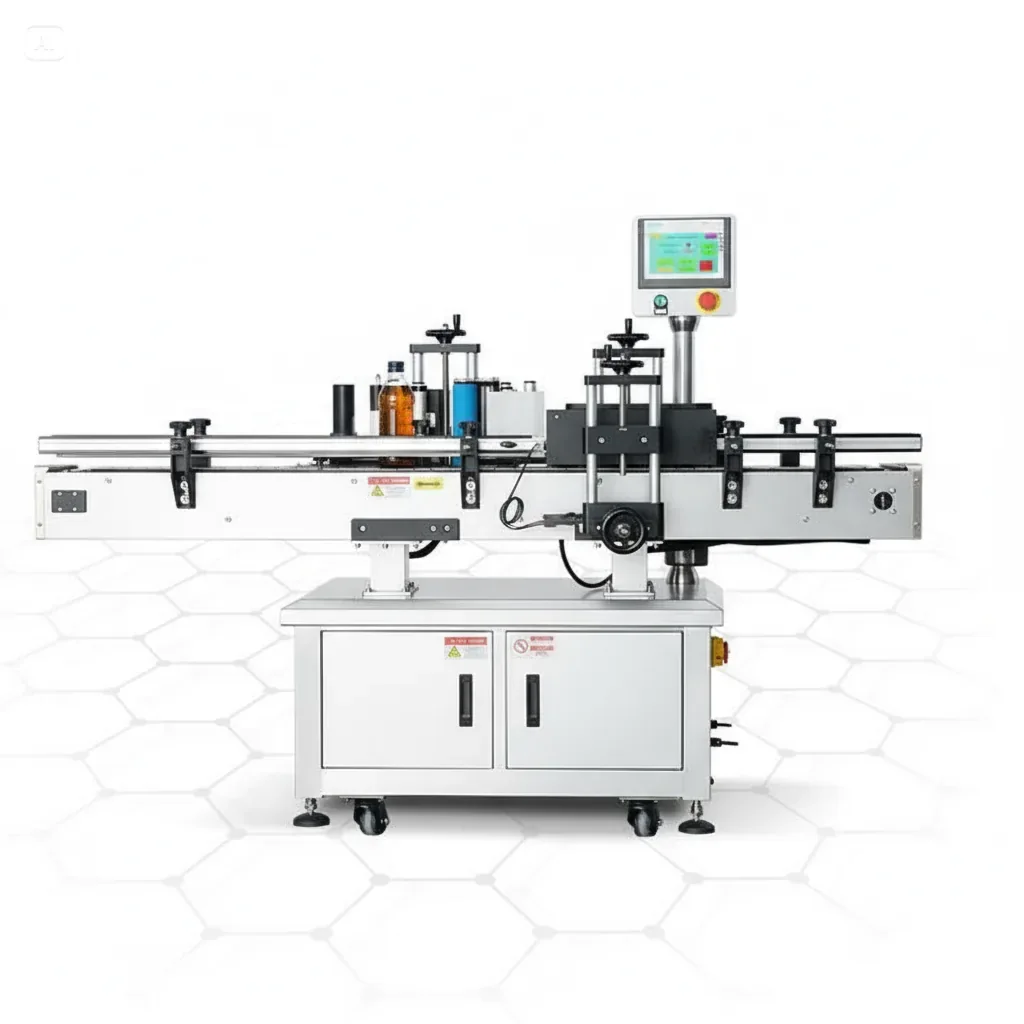
Wraparound bottle labelling
Automatic Wraparound Labeller
Automatic wrap-around labelling for cylindrical containers requiring consistent presentation and higher output.
View machine
Product range
Find the correct labeller for round bottles, flat bottles, oval containers, jars, cans, cartons and packs.
Need a bottle labelling machine specified quickly? Send bottle dimensions, label size and output target.
Request specification adviceCall 01494 623015
Wraparound bottle labelling
Automatic wrap-around labelling for cylindrical containers requiring consistent presentation and higher output.
View machine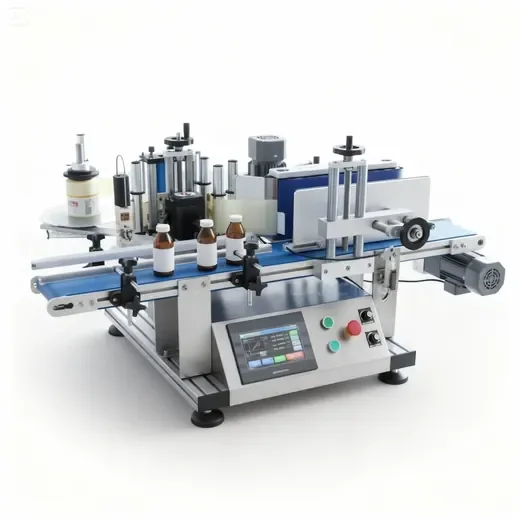
Compact automatic bottle labelling
A space-saving automatic route for producers moving from bench labelling to repeatable inline operation.
View machine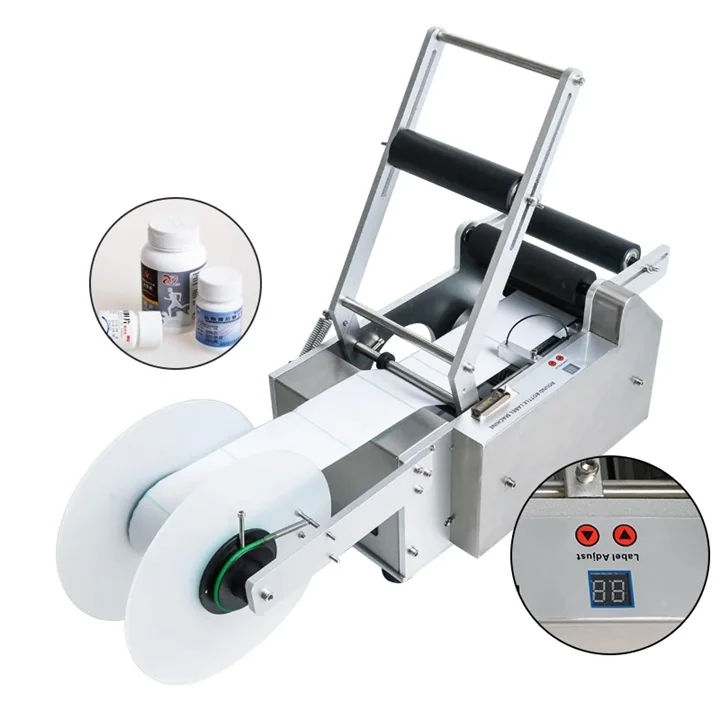
Bench-top bottle labelling
Practical entry-level wrap labelling for round bottles and jars with foot-switch operation.
View machine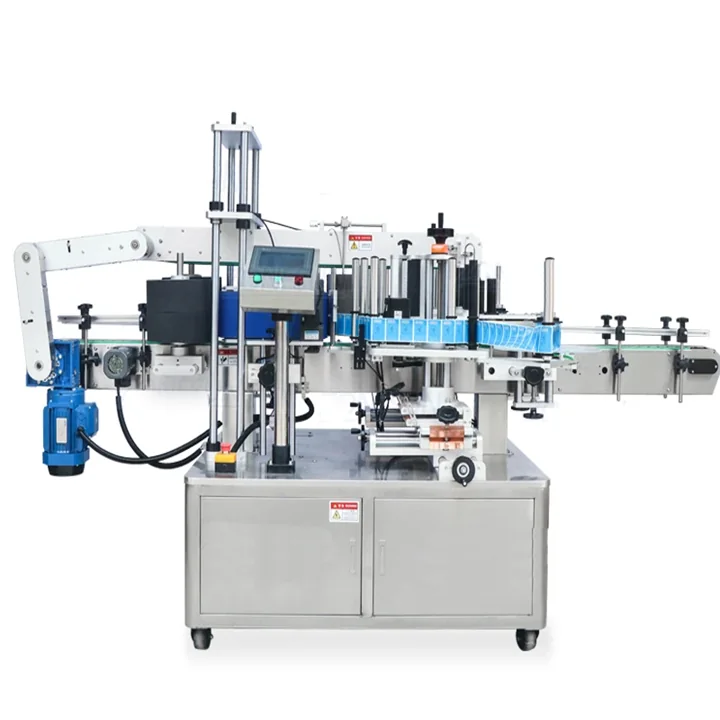
Front and back labelling
Automatic front and back labelling for flat, oval, square and selected round containers requiring two labels in one pass.
View machine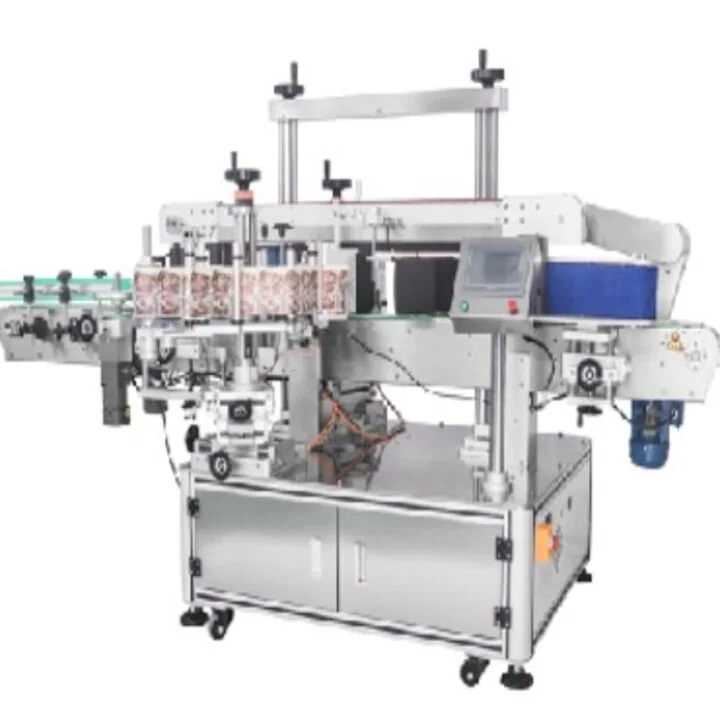
Compact front/back labelling
Compact twin-side label application for lower-volume production, trials and factories with limited floorspace.
View machine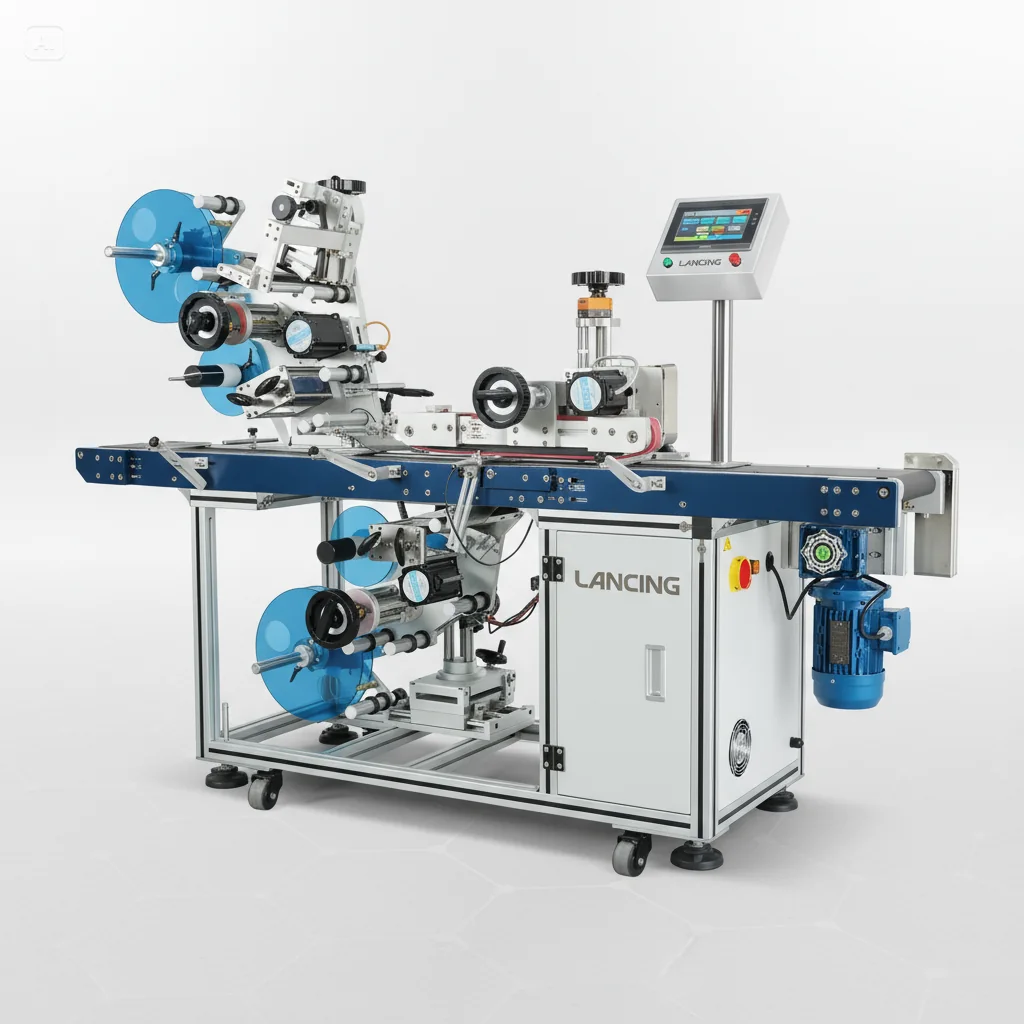
Top and bottom labelling
Automatic top/bottom labelling for flat products, boxes, trays and retail-ready packs requiring labels on both faces.
View machine| Machine | Best for | Container types | Typical use |
|---|---|---|---|
| Automatic Wraparound Labeller | Wraparound bottle labelling | Round bottles, jars and cans | Automatic wrap-around labelling for cylindrical containers requiring consistent presentation and higher output. |
| Compact Wraparound Labeller | Compact automatic bottle labelling | Round bottles, cans and jars | A space-saving automatic route for producers moving from bench labelling to repeatable inline operation. |
| Semi-Automatic Wraparound Labeller | Bench-top bottle labelling | Round bottles, jars and small cylinders | Practical entry-level wrap labelling for round bottles and jars with foot-switch operation. |
| Automatic Twin Side Labeller | Front and back labelling | Bottles and packs | Automatic front and back labelling for flat, oval, square and selected round containers requiring two labels in one pass. |
| Compact Twin Side Labeller | Compact front/back labelling | Flat, oval, square or round, configuration dependent | Compact twin-side label application for lower-volume production, trials and factories with limited floorspace. |
| Automatic Top & Bottom Labelling Machine | Top and bottom labelling | Cartons, trays, sleeves and flat packs | Automatic top/bottom labelling for flat products, boxes, trays and retail-ready packs requiring labels on both faces. |
Buyer questions
Round bottles usually need wraparound labelling, while flat, oval and square bottles normally need front and back labelling. Top and bottom labelling is used for cartons, trays, sleeves and flat packs.
Yes. Lancing supplies automatic wraparound, automatic front and back, compact and top and bottom labelling systems for UK production lines.
Clear labels can usually be applied when the labeller is fitted with suitable transparent-label sensing and is tested against real label rolls and samples.
Send container dimensions, photos, label size, label material, label roll direction, target output and details of any filling, capping, coding or conveyor equipment.
Speak to Lancing
Send container dimensions, photos, label roll details and output target. We will narrow the options down to the most practical machine route.
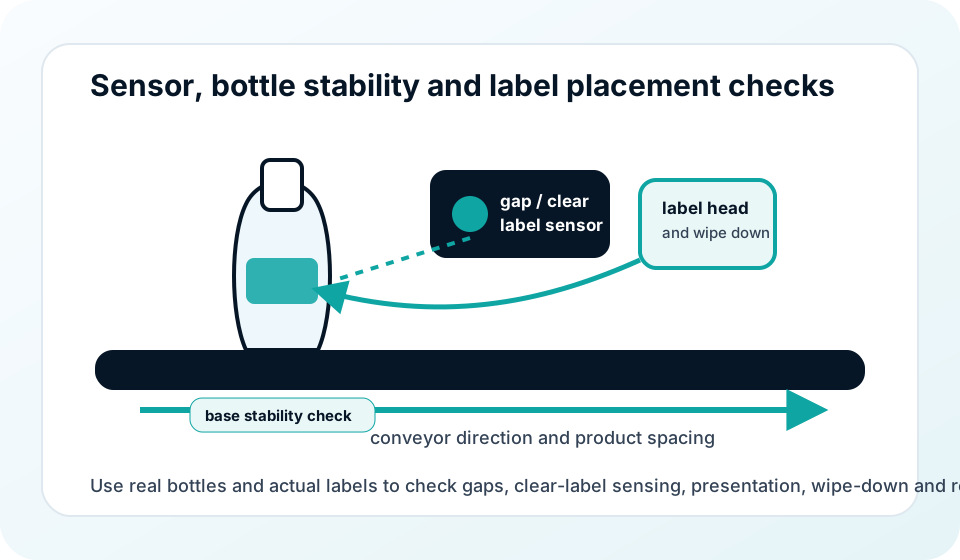
The strongest product match is usually decided by container shape, label position, roll format, sensing method and line layout. The checks below help narrow a shortlist before sample testing.
A bottle label applicator is selected from the behaviour of the pack as much as from the label size. Round bottles normally need controlled rotation and wrap pressure. Flat, oval and square containers usually need side guiding and front/back registration. Clear labels need a sensing method proven against the actual label and liner.
| Decision point | Why it affects the machine | Best next page |
|---|---|---|
| Round bottle or cylindrical jar | Requires rotation control, wrap belt or roller pressure and a label start position that repeats. | Wraparound labelling machines |
| Flat, oval or square bottle | Needs two-sided presentation, product control through the heads and front/back registration checks. | Front and back labelling machines |
| Clear or transparent label | Needs sample testing against the actual label roll because ordinary gap sensing may not be enough. | Clear-label sensing guide |
| Printed roll not yet ordered | Unwind direction and artwork orientation should be checked before committing to print. | Label roll direction guide |
| New container or high-value presentation | Send samples so placement, wipe-down, bottle stability and changeover can be reviewed before order. | Sample testing checklist |
Include bottle photos, dimensions, label artwork or roll details, speed target, coding needs and any existing filling or capping equipment around the labeller.
Machine selection questions
The correct route depends on production method, format range, operator involvement and the way the labeller connects to the rest of the line. Browse the bottle labelling questions hub for deeper technical answers.
A compact automatic labeller becomes the stronger route when bottles can arrive in a controlled stream and the business needs repeatable inline operation without each pack being loaded by hand. The decision should include staffing, available floor space, future line integration and whether the container family can be guided consistently.
Include credible future formats that are sufficiently defined to test or assess, but do not ask one machine to cover every possible pack. Excessive range can add change parts, setup complexity and compromises. The page on handling multiple bottle and label formats provides a practical way to define the range.
Short runs favour clear settings, accessible change points, controlled label-roll loading and a reliable first-off approval routine. The fastest headline output is less valuable when most production time is lost to setup, roll changes and verification. Contract packers should also consider operator records and the number of unplanned formats.
Fix the primary label arrangement, representative format range, automation level, required line interfaces, trial materials and acceptance method before comparing quotations. Otherwise apparently similar prices may describe different handling systems, options and responsibilities. Use the contract-packing selection questions when format variety is central.
Lancing can review the bottle family, label rolls, run pattern and integration requirement before recommending a machine route.
A self-adhesive bottle labeller is not interchangeable with a shrink-sleeve or wet-glue line. The consumable, product handling, utilities, cleaning and changeover model should be fixed before a machine shortlist is compared.
| Requirement | Question to resolve | Next resource |
|---|---|---|
| Flexible labels and frequent formats | Does the project need wraparound, front/back, clear labels, coding or frequent roll changes? | Compare label methods |
| Cold or wet bottles | At what point is the bottle surface repeatable enough for application and approval? | Cold-bottle labelling guide |
| Installed-line responsibilities | Which documentation, safety interfaces, FAT evidence and handover records belong in the project? | Compliance and documentation guide |
Send the bottle, decoration method, label roll, batch pattern and line conditions before asking suppliers to compare outputs or options.
A comparison is more useful when every option is assessed against one defined application rather than against headline output alone.
| Input | What to record | Why it changes the machine decision |
|---|---|---|
| Bottle geometry | Diameter or panel width, circumference at the label zone, straight-wall height, taper, orientation feature and filled stability. | Determines whether the pack can rotate, needs orientation, or should use opposed side application. |
| Label arrangement | One wrap label, partial wrap, separate front and rear labels, top/bottom labels, clear construction and barcode position. | Defines the number of label heads, sensing method, bottle control and artwork relationship. |
| Roll specification | Label size, pitch, web width, core, reel outside diameter, liner, winding and gap or registration feature. | Confirms whether the consumable can be sensed, handled and loaded in the intended orientation. |
| Production pattern | Batch size, available hours, productive-time allowance, format changes, replenishment and surrounding line speeds. | Separates a sustainable running requirement from an unrealistic nominal target. |
Start with the bottle label size calculator and measurement guide, then use the throughput planning calculator before sending samples.
Lancing can then review the semi-automatic, compact and inline routes against the same evidence.
Popular searches
Start with the label position and the way the container can be controlled. Automation level is important, but it should be considered after bottle shape, label-roll construction, sensing and changeover have been defined.
| Machine route | Typical pack and label arrangement | Production format | Evidence to confirm |
|---|---|---|---|
| Automatic Wraparound Labeller | Round bottles, jars and cans requiring a partial or full wrap label. | Conveyor-fed automatic labelling within a standalone cell or packaging line. | Bottle rotation stability, usable cylindrical panel, label length, roll direction, sensing and surrounding line layout. |
| Compact Wraparound Labeller | Round containers where automatic presentation is required but floorspace or output does not justify a larger inline system. | Compact automatic operation with repeatable product spacing. | Container range, available footprint, operator process, changeover frequency and infeed/outfeed method. |
| Semi-Automatic Wraparound Labeller | Round bottles and jars for short runs, trials and smaller batches. | Operator-loaded bench-top application. | Batch size, bottle diameter range, label arrangement, operator loading and repeatability of the container. |
| Automatic Twin Side Labeller | Flat, oval, square and shaped containers requiring front and rear labels in one pass. | Automatic conveyor-fed two-sided labelling. | Front/back relationship, panel geometry, bottle orientation, top-hold or side-guide needs and two label-roll specifications. |
| Compact Twin Side Labeller | Lower-volume front/back applications where a smaller machine format is preferred. | Compact two-sided application for trials, growing production and restricted layouts. | Container stability, panel position, label sizes, roll arrangement and how products are presented to the machine. |
| Automatic Top & Bottom Labelling Machine | Cartons, trays, sleeves and flat packs requiring labels on opposing faces rather than around a bottle body. | Automatic top and lower-surface application. | Pack thickness, surface area, product transfer, label position and upstream/downstream conveyor interfaces. |
Record the smallest and largest container, including diameter or panel width, overall height, base condition, taper, shoulders, recesses and whether the pack is labelled full or empty. A container that rocks, flexes or changes shape under guide pressure may require additional control before label placement can be assessed.
Supply label width and length, web width, gap or registration feature, core diameter, roll outside diameter, unwind direction, face material, liner and artwork orientation. Clear, metallic or heavily varnished labels should be declared before the sensing method is selected.
List the formats, expected changeover frequency, conveyor direction, available line space, coder or printer position, inspection requirement and the equipment immediately before and after the labeller. This prevents a suitable label applicator being specified in isolation from an unsuitable line layout.
For a new container or presentation-critical label, send representative bottles and a production-equivalent label roll. The review should confirm feeding, sensing, dispense, wipe-down, registration and the practical changeover between the main formats rather than relying on catalogue descriptions alone.
Use the bottle labeller buyer guide for the pack-first decision process, the label roll direction guide before ordering printed rolls, and the sample-testing checklist when placement or clear-label sensing is critical. Where the requirement is print-and-apply rather than pre-printed self-adhesive labels, use Lancing's dedicated print-and-apply resource.
Include container drawings or measurements, bottle photographs, label artwork, roll data, target output, changeover range and a simple line sketch.
Automation level, operator involvement, changeover frequency, coding and line-control requirements can separate two machines that appear to serve the same container.
Prioritise simple loading, accessible adjustments, first-off control and the labour available for each container. Review the changeover checklist.
Define bottle spacing, conveyor interfaces, stops, restarts and downstream accumulation. Use the conveyor integration guide.
Provide an approved sample or marked drawing and production-equivalent labels. Plan the evidence with the FAT checklist.
Specify code content, barcode, camera checks and reject response as part of the line. See coding and inspection integration.
Send bottle samples, label-roll data, batch pattern, output target and the surrounding line equipment.