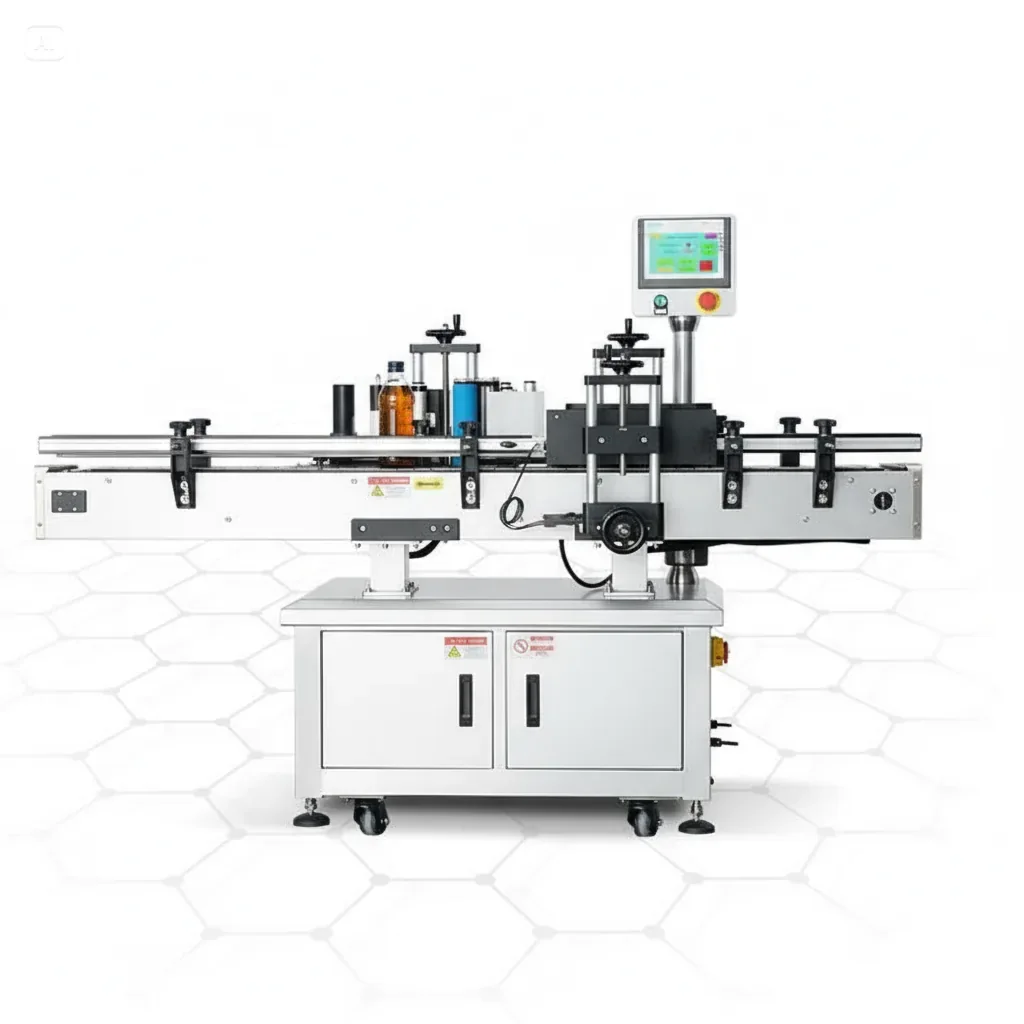
Wraparound bottle labelling
Automatic Wraparound Labeller
Automatic wrap-around labelling for cylindrical containers requiring consistent presentation and higher output.
View machine
Machine category
Wraparound labellers rotate a cylindrical container while dispensing the label so it follows the bottle circumference with a clean, repeatable finish.
Need a bottle labelling machine specified quickly? Send bottle dimensions, label size and output target.
Request specification adviceCall 01494 623015Options
Each machine is configured against real samples, label rolls and production requirements.
Wraparound bottle labelling
Automatic wrap-around labelling for cylindrical containers requiring consistent presentation and higher output.
View machine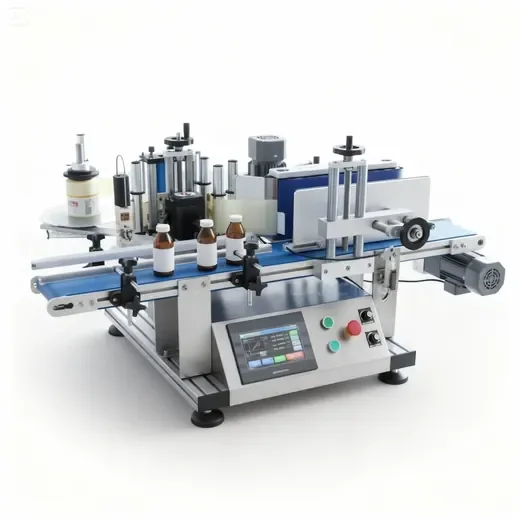
Compact automatic bottle labelling
A space-saving automatic route for producers moving from bench labelling to repeatable inline operation.
View machine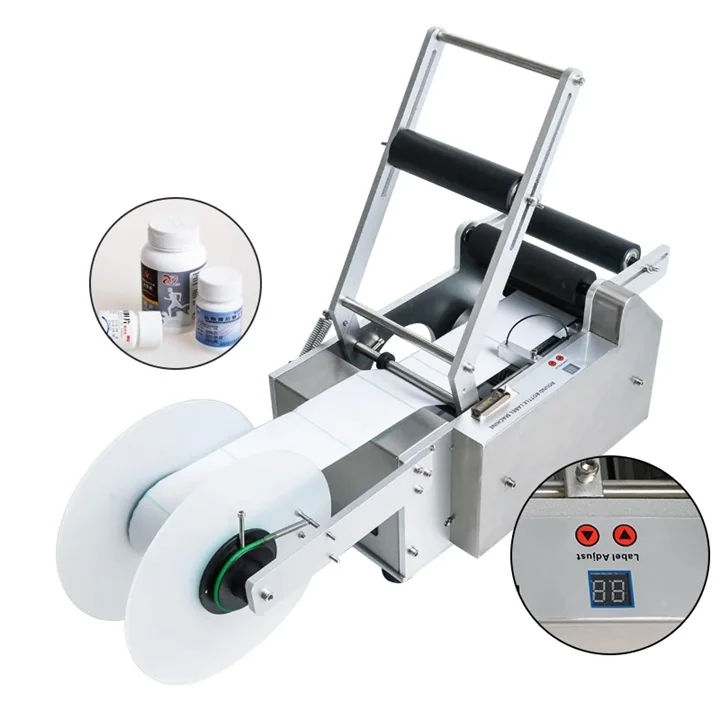
Bench-top bottle labelling
Practical entry-level wrap labelling for round bottles and jars with foot-switch operation.
View machineShape, size, taper, panel area and stability determine the handling system.
Label material, backing paper, gap, transparency and size determine the sensing and dispense setup.
Conveyor height, coding, inspection and existing line equipment are reviewed before quotation.
Buyer questions
Round bottles usually need wraparound labelling, while flat, oval and square bottles normally need front and back labelling. Top and bottom labelling is used for cartons, trays, sleeves and flat packs.
Yes. Lancing supplies automatic wraparound, automatic front and back, compact and top and bottom labelling systems for UK production lines.
Clear labels can usually be applied when the labeller is fitted with suitable transparent-label sensing and is tested against real label rolls and samples.
Send container dimensions, photos, label size, label material, label roll direction, target output and details of any filling, capping, coding or conveyor equipment.
Speak to Lancing
A short specification review avoids choosing the wrong labelling format and helps confirm speed, handling and options.
Wraparound labelling depends on controlled rotation, label start position, roll direction and bottle stability. These checks help avoid labels drifting, spiralling or presenting the wrong way around the container.
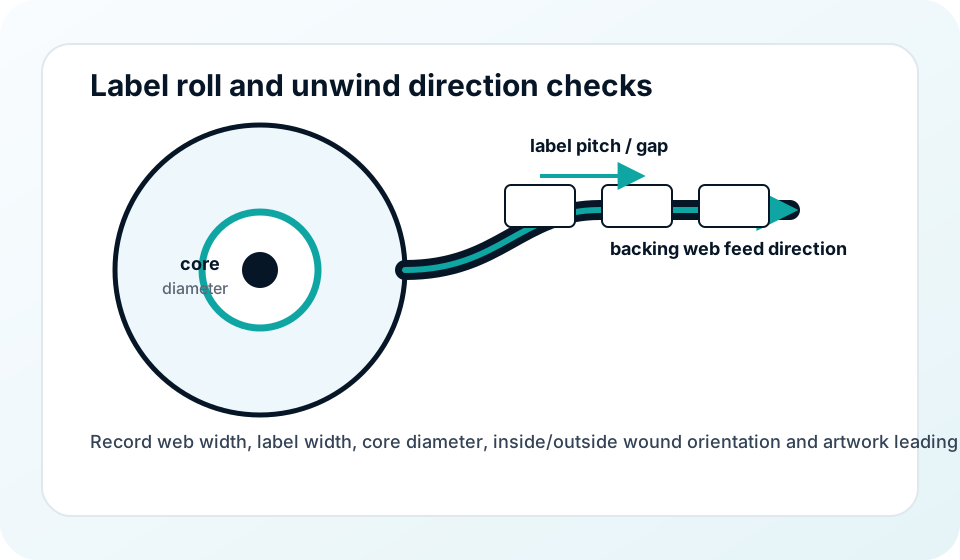
Before recommending a semi-automatic, compact or inline wraparound labeller, Lancing needs to understand the label roll and the way the bottle behaves when rotated. Tall narrow bottles, lightweight plastic containers and bottles with unstable bases need careful handling checks. Labels with a long wrap length also need enough time and contact for clean wipe-down.
| Wraparound route | Use when | Key checks | Page |
|---|---|---|---|
| Semi-automatic wraparound | Short runs, trials and lower-volume round bottles. | Operator loading, bottle repeatability, label roll direction. | Semi-automatic labeller |
| Compact automatic wraparound | Growing production needing automatic presentation in a smaller footprint. | Container spacing, conveyor speed match, changeover range. | Compact wraparound labeller |
| Inline automatic wraparound | Production lines needing repeatable round-container labelling. | Infeed stability, coding integration, wrap pressure and sample trials. | Automatic wraparound labeller |
For printed labels that are not yet ordered, check the label roll direction guide. For setup and changeover checks, use the wraparound setup guide. For critical presentation work, provide real bottles and printed labels for the sample testing checklist.
Send dimensions, label roll details and a photo of the bottle base and label panel.
Wraparound questions
Wraparound quality depends on controlled rotation, a repeatable start point and a label that follows the real container geometry. Browse the bottle labelling questions hub for deeper technical answers.
A wraparound labeller controls the bottle between driven or guided contact surfaces so the container rotates while the label is dispensed. Stable pressure and matched motion are important: uncontrolled slip can change the start point, create wrinkles or leave the label short of its intended finish. The operating sequence is explained in how bottle labellers work.
The label travels a fixed length, while the circumference changes when bottle diameter changes. Variation between nominally identical containers can therefore alter the finishing gap or overlap even when the label start is repeatable. Samples from normal production, not one ideal bottle, are needed when that finish is presentation-critical.
Spiral tracking can result from taper, an uneven moulding seam, a label head that is not square to the bottle path, unequal wrap pressure or a bottle that rises or drops during rotation. The remedy starts by identifying the physical cause rather than correcting the artwork or sensor position by trial and error.
Use representative filled or safely weighted bottles when fill changes rigidity, weight, centre of gravity, surface temperature or condensation. An empty pack can rotate differently and may not reveal production handling problems. See how fill state affects labelling for the factors to reproduce.
Send bottles from representative batches, production-equivalent label rolls and the required finishing gap or overlap.
A round bottle can rotate correctly while the label still slips, bubbles or lifts because the adhesive is contacting moisture rather than a stable surface. The application point and bottle condition should therefore be part of the wraparound specification.
| Check | Why it matters | Trial evidence |
|---|---|---|
| Bottle surface at label contact | Water, product splash or residue can interrupt initial adhesive contact. | Photographs and samples from the actual application point. |
| Rotation and slip | A wet or flexible bottle may track differently against the wrap belt or rollers. | Filled bottles at normal production temperature and after a line stop. |
| Inspection timing | A label that looks acceptable immediately may lift after storage or handling. | Agreed checks immediately and after the relevant dwell condition. |
The cold and condensing bottle labelling guide explains how to choose the application point and structure the trial. Use the adhesion and surface guide to separate machine, label and bottle causes.
Send filled samples, production labels and the timing from filling or chilling to the label head.
For a round bottle, a planning circumference can be calculated as π × diameter. A flexible tape around the intended label zone is usually the better check because mould variation, seams, taper and an out-of-round filled bottle can change the real path.
Record the usable straight-wall height and leave deliberate clearance from shoulders, heel radii, ribs, embossing and other changing geometry.
A full wrap does not automatically mean that the two ends should meet. Define an intentional gap or overlap that remains acceptable across bottle and label variation.
Check first contact, rotation, seam position, barcode readability and label appearance with representative filled bottles and production-equivalent rolls.
Use the bottle label size calculator for a planning estimate and the wraparound setup guide to define the trial. The calculated result is not a substitute for converter approval or a machine sample test.
Mark the intended label zone on the bottle and include the proposed gap or overlap, roll data and finished-pack acceptance standard.
Popular searches
A wraparound label can only track straight when the bottle rotates consistently, the label is dispensed squarely and the wipe-down method maintains contact through the full application. The sample pack therefore matters as much as the nominal bottle diameter.
The preferred label panel is a stable cylindrical area with enough uninterrupted surface for the intended label length. Taper, shoulders, recessed panels, mould lines, pronounced seams and flexible walls can alter the path of the label as the bottle rotates. The bottle base must also remain stable while guides, rollers or a wrap belt apply control.
The machine must pull the backing web consistently while detecting each label at the correct point. Web width, core diameter, unwind direction, label pitch, liner stiffness and roll build all affect tracking. Clear labels, metallic decoration, unusual gaps or printed registration features should be tested with the production-equivalent roll.
Before printing a full batch, cross-check the roll against the label roll direction guide. When the face material is transparent, use the clear-label sensing guide and supply enough labels to prove reliable detection through startup, steady running and roll changes.
| Observed result | Points to investigate | Useful evidence for Lancing |
|---|---|---|
| Label rises or falls around the bottle | Bottle taper, bottle axis, guide alignment, dispense angle, uneven rotation or a label panel that changes diameter. | Side photographs, bottle drawing, labelled samples and the required label-height datum. |
| Start position moves between bottles | Variable product spacing, bottle slip, sensor position, inconsistent bottle surface or registration to an uncontrolled feature. | A short production video, bottle samples and details of the required reference point. |
| Wrinkles, bubbles or lifted edges | Surface condition, label stiffness, adhesive suitability, wipe pressure, application speed or insufficient contact through the final part of the wrap. | Production-equivalent labels, filled bottles and notes on temperature or wash-down conditions. |
| Labels are not detected consistently | Clear face stock, liner variation, metallic areas, small gaps, printed marks or an unsuitable sensor setup. | An unspliced sample roll showing normal label and liner construction. |
| Bottle stalls, rocks or slips | Unstable base, low pack weight, flexible walls, excessive guide pressure or a mismatch between conveyor and wrap control. | Empty and filled samples where both conditions are used, plus the planned line layout. |
For each bottle format, retain the guide positions, sensor position, label-head height, wrap-control settings and a first-off approved sample. A consistent record reduces trial-and-error when a known format returns to production.
Agree the labelled sample appearance, label-height datum, start position, overlap or gap and the number of consecutive acceptable packs to be demonstrated. Any accuracy requirement should be tied to the supplied bottle and label tolerances rather than stated as an unsupported universal figure.
Compare the semi-automatic, compact automatic and inline automatic routes. For deeper specialist coverage, see Lancing's dedicated wraparound labelling website.
Send bottles, a representative label roll, the required label position, format range and details of the surrounding line.
A round container can still be demanding when the base is unstable, the label is long or clear, the bottle tapers or the presentation must relate to a seam or closure. The acceptance record should show the approved datum and the most difficult production format.
Check spacing, vertical stability, guide contact and how the bottle rotates through the wrap stage.
Confirm roll direction, web tracking, gap or registration sensing and artwork leading edge using production-equivalent labels.
Use a marked bottle or approved sample showing label height, start position and permitted overlap or gap.
Include restart behaviour and a return to the agreed setup after changing between representative formats.
Prepare the evidence with the wraparound setup guide, label-roll worksheet and FAT checklist.