Round bottles & jars
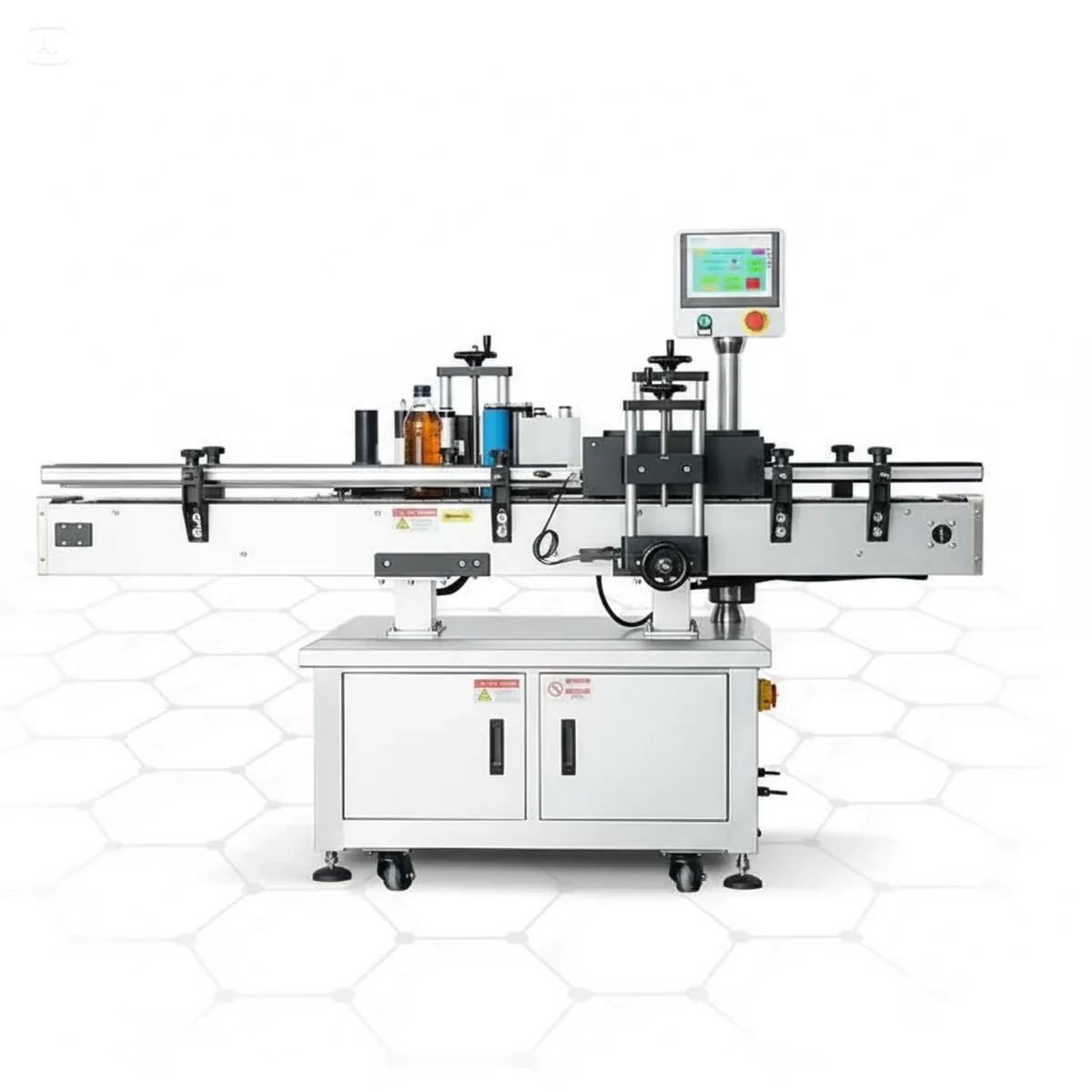
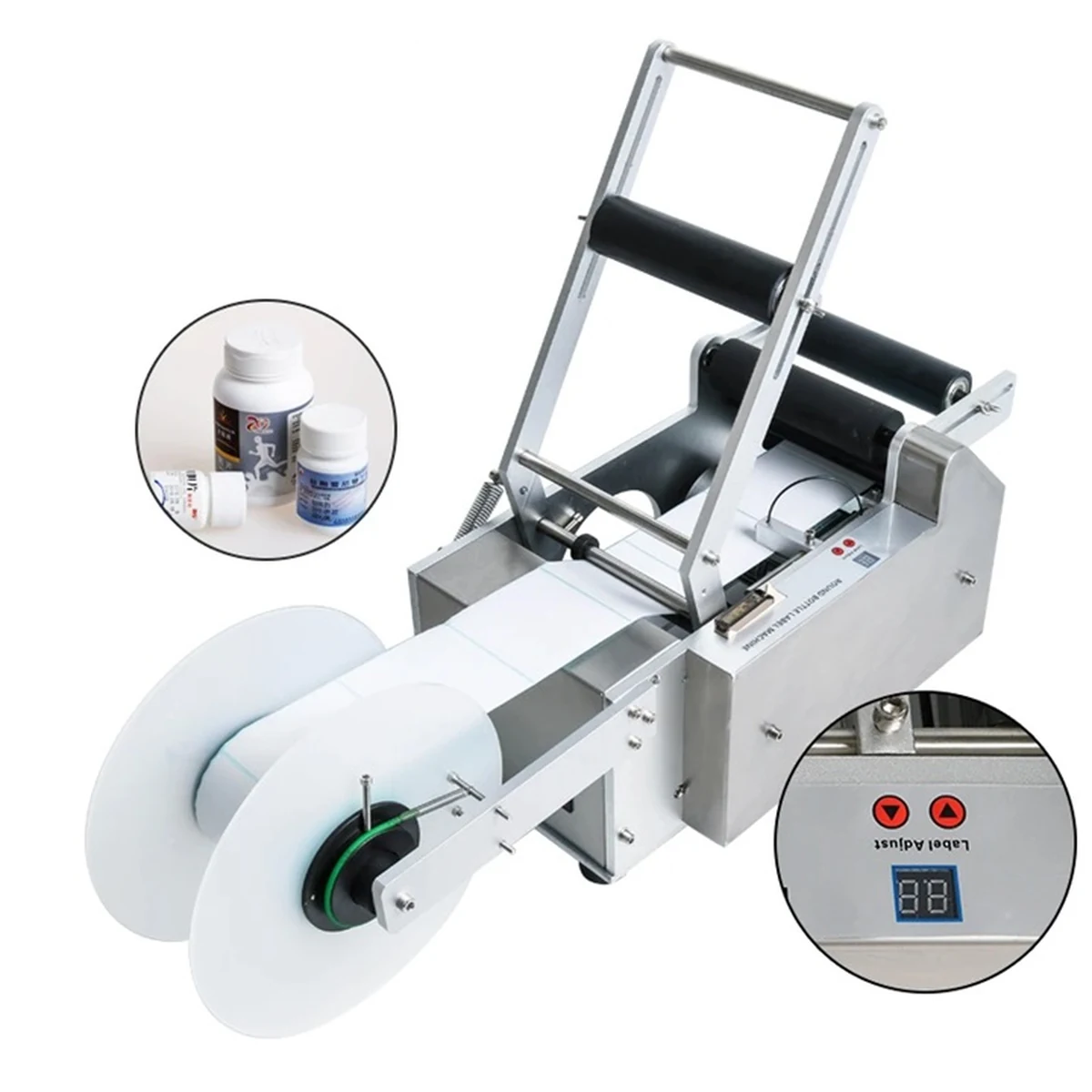
Wraparound labelling for cylindrical containers including drinks, sauces, oils, honey, cans and cosmetics.

Applications
Use your pack format to narrow the correct labelling approach before requesting a quote.
Need a bottle labelling machine specified quickly? Send bottle dimensions, label size and output target.
Request specification adviceCall 01494 623015Wraparound labelling for cylindrical containers including drinks, sauces, oils, honey, cans and cosmetics.
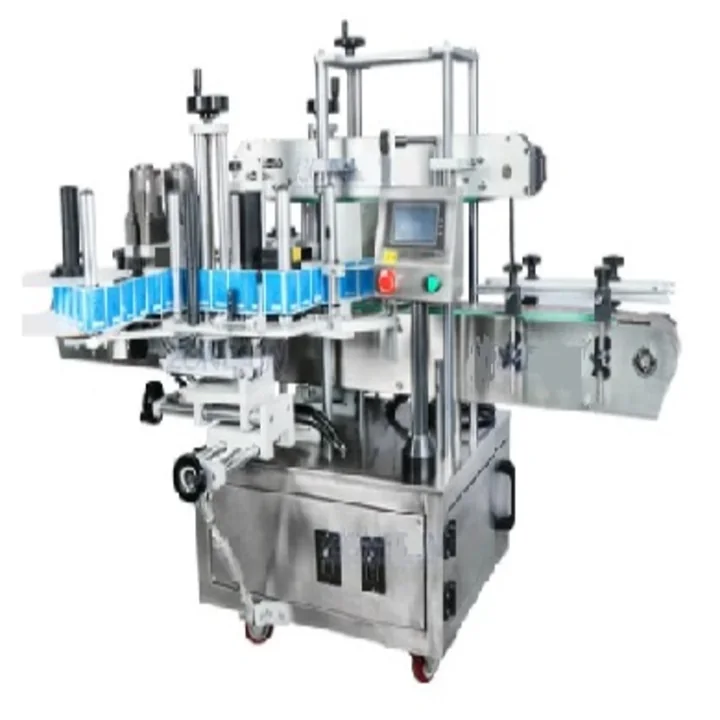
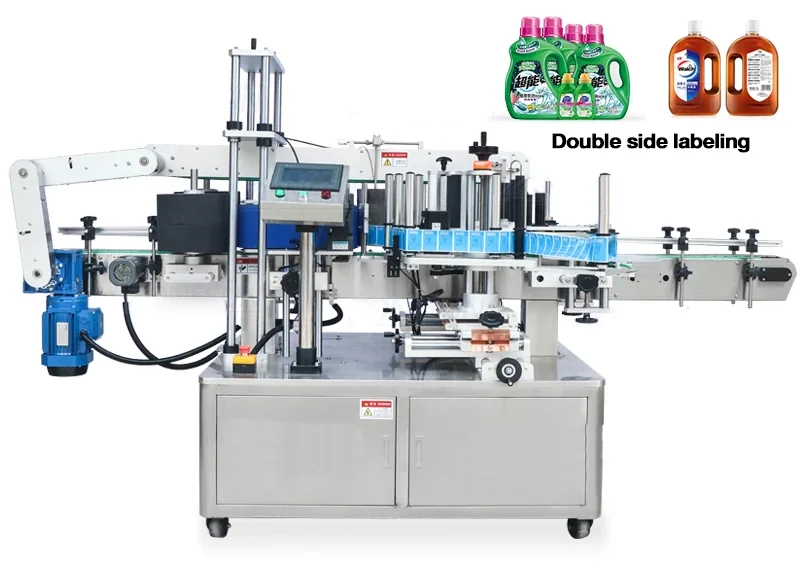
Front and rear labelling for cosmetic, chemical and household bottles with defined display panels.
Twin-side systems with guide adjustment and pressure control for shaped containers.
Transparent-label sensing and setup for no-label-look packs using film labels.
Top/bottom labelling for boxes, trays, sleeves, flat pouches and retail-ready packaging.
Date coding, batch coding, barcode verification and code reader options can be added.
Buyer questions
Round bottles usually need wraparound labelling, while flat, oval and square bottles normally need front and back labelling. Top and bottom labelling is used for cartons, trays, sleeves and flat packs.
Yes. Lancing supplies automatic wraparound, automatic front and back, compact and top and bottom labelling systems for UK production lines.
Clear labels can usually be applied when the labeller is fitted with suitable transparent-label sensing and is tested against real label rolls and samples.
Send container dimensions, photos, label size, label material, label roll direction, target output and details of any filling, capping, coding or conveyor equipment.
Speak to Lancing
Include container dimensions, label size, label material, target output and the required label position. Lancing will recommend a suitable semi-automatic, compact or fully automatic configuration.
The product category matters, but the engineering decision still comes back to container shape, presentation, label material and whether the bottle is stable enough at the required handling speed.
A bottle label applicator is selected from the behaviour of the pack as much as from the label size. Round bottles normally need controlled rotation and wrap pressure. Flat, oval and square containers usually need side guiding and front/back registration. Clear labels need a sensing method proven against the actual label and liner.
| Decision point | Why it affects the machine | Best next page |
|---|---|---|
| Round bottle or cylindrical jar | Requires rotation control, wrap belt or roller pressure and a label start position that repeats. | Wraparound labelling machines |
| Flat, oval or square bottle | Needs two-sided presentation, product control through the heads and front/back registration checks. | Front and back labelling machines |
| Clear or transparent label | Needs sample testing against the actual label roll because ordinary gap sensing may not be enough. | Clear-label sensing guide |
| Printed roll not yet ordered | Unwind direction and artwork orientation should be checked before committing to print. | Label roll direction guide |
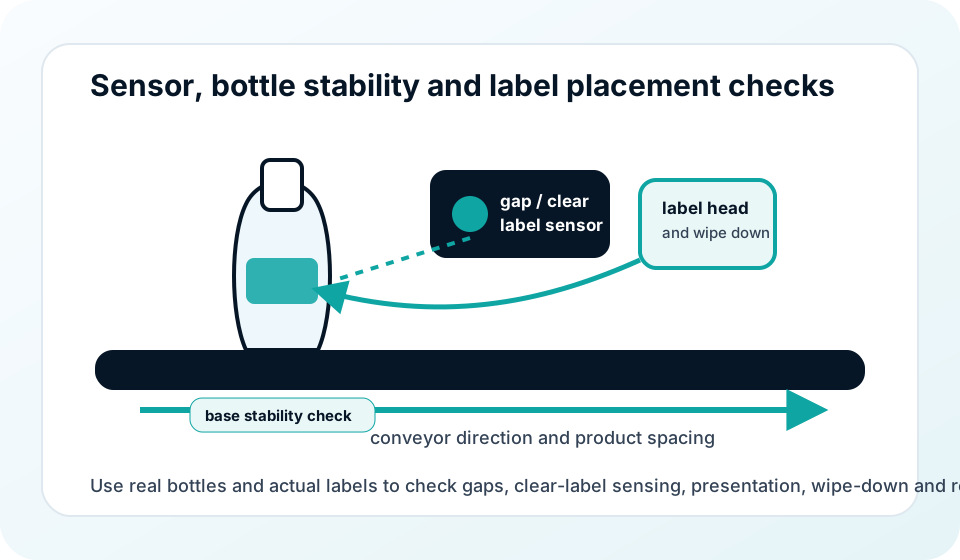
| New container or high-value presentation | Send samples so placement, wipe-down, bottle stability and changeover can be reviewed before order. | Sample testing checklist |
Include bottle photos, dimensions, label artwork or roll details, speed target, coding needs and any existing filling or capping equipment around the labeller.
Popular searches
Container material, fill state, surface condition, label construction and production environment can alter handling, sensing and adhesion even when the nominal bottle dimensions are unchanged.
| Condition | Evidence to provide | Planning implication |
|---|---|---|
| Cold, wet or contaminated bottle surface | Representative packs at production condition and label-converter data. | Adhesion must be trialled; see the surface and adhesion guide. |
| Lightweight or flexible container | Filled and empty samples, cap or pump fitted, and line accumulation condition. | Guides and wipe pressure must control the pack without distortion. |
| Transparent or unusual label construction | Production-equivalent roll, liner and registration feature. | Sensor method must be proved; use the clear-label guide. |
| Barcode, date or batch code | Artwork, code area, data requirement and inspection response. | Coder and camera positions should be included in the line layout. |
| Frequent SKU change | Format list, batch pattern and approved first-off process. | Changeover records and recipe control become part of output planning. |