How to choose a bottle labelling machine
Match container shape, label arrangement, automation level and line interfaces.
Open buyer guide
Bottle decoration methods
Self-adhesive, shrink-sleeve and wet-glue systems solve different packaging tasks. Choose from the pack, label coverage, batch pattern and surrounding line—not from the machine name alone.
Need a bottle labelling machine specified quickly? Send bottle dimensions, label size and output target.
Request specification adviceCall 01494 623015The correct method depends on the complete package, desired appearance, production pattern, changeover frequency, coding and inspection needs, line utilities, cleaning expectations and end-of-life requirements.
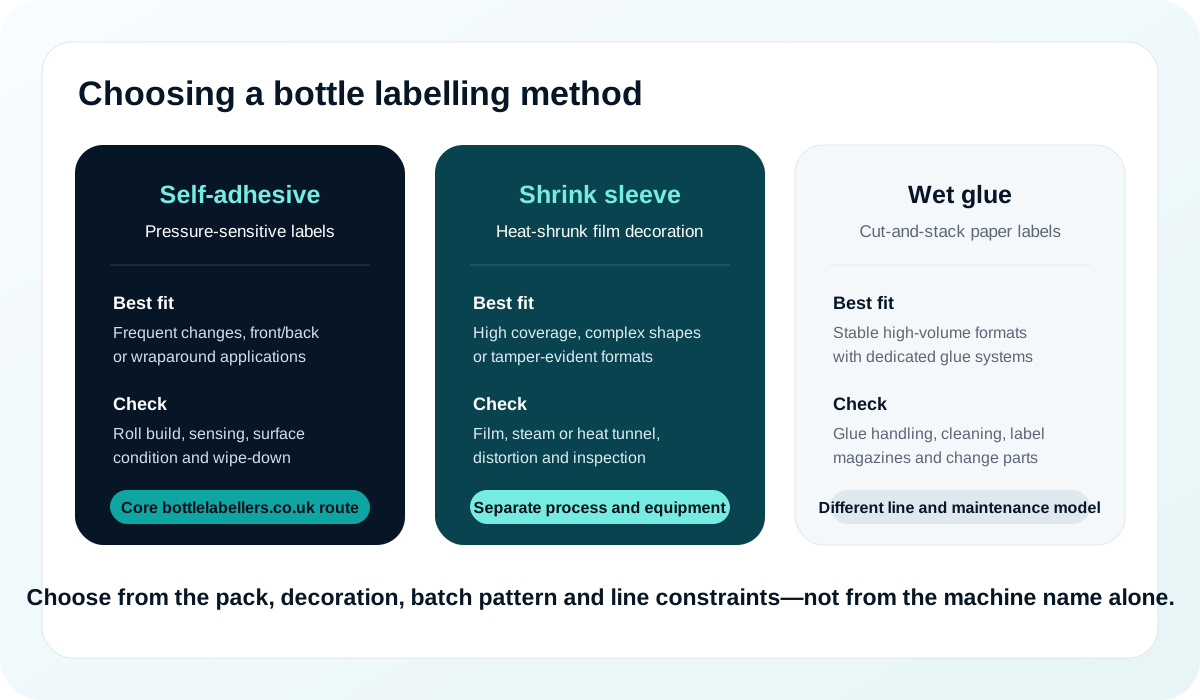
Each technology changes the label supply, product handling, utilities, maintenance and inspection required around the line.
| Decision | Self-adhesive labels | Shrink sleeves | Wet-glue labels |
|---|---|---|---|
| Typical decoration | Single panel, front/back, partial wrap or full wrap from a release liner. | Film sleeve shrunk around part or most of the container. | Cut paper label picked, glued and transferred to the bottle. |
| Container range | Strong flexibility across round, flat, oval and selected shaped packs when handling is configured correctly. | Can follow complex shapes, but artwork distortion and shrink behaviour must be engineered for the pack. | Usually best where bottle geometry and label format are stable and suitable for the glue process. |
| Changeovers | Roll, guides, sensors, recipes and wipe components are adjusted to the next format. | Sleeve, film path, cutting, application and tunnel conditions may all change. | Label magazine, glue system and change parts may require a more dedicated setup. |
| Utilities and line equipment | Labeller, conveyors and optional coding or inspection; some systems also use compressed air. | Sleeve applicator plus the selected heat or steam process and suitable extraction or utilities. | Glue preparation or circulation, cleaning arrangements and dedicated label handling. |
| Best evidence before order | Real containers, label rolls, placement datums and sample testing. | Container drawings, decorated samples, film and shrink trial evidence. | Container and paper label samples, glue-process evidence and changeover requirements. |
Pressure-sensitive labelling is often appropriate where manufacturers need flexible format changes, separate front and rear labels, clear labels, variable label materials or integration with coding and inspection. The roll construction matters: label size, pitch, web width, core, outside diameter, liner, unwind direction and sensing feature should be agreed before the production label is printed.
For round bottles, compare wraparound labelling machines. For flat, oval and square packs, review front and back labellers. Smaller batches may be better served by a semi-automatic bottle labeller than an inline system.
A sleeve can be the better route when the design requires extensive decoration around a complex shape, a full-body visual effect or a tamper-evident format that is integral to the sleeve. The decision should include film behaviour, artwork distortion, seam position, cutting, application, shrink process, container heat sensitivity and how finished packs will be inspected. A sleeve line is a different process from a pressure-sensitive bottle labeller; buyers should compare the complete equipment and utility scope.
For projects where a sleeve is genuinely under consideration, the separate Lancing resource at sleeveapplicators.co.uk provides the specialist route while this site retains the self-adhesive bottle labelling decision.
Wet-glue or cold-glue systems can suit established high-volume bottle and paper-label formats where the label magazine, glue process and cleaning regime are acceptable. They are not simply a cheaper version of a self-adhesive labeller: the consumable format, machine architecture, maintenance work and format change method are different. The supplier should confirm bottle, paper, glue and environmental compatibility from real samples.
Send the bottle, desired decoration, current label concept, batch pattern and line constraints so Lancing can identify whether a self-adhesive labeller is the right route.
Use the related guides to define the pack, label roll, trial and machine route before requesting a final configuration.
Match container shape, label arrangement, automation level and line interfaces.
Open buyer guideRecord size, pitch, web, core, winding, liner and sensing information.
Open worksheetPlan representative bottles, labels, formats and acceptance evidence.
Open checklist